
Health and Safety Policy — Skip Hire Westminster
Our policy sets out a clear commitment to safe operations for skip hire, rubbish removal and waste collection across our service area. This document explains responsibilities, safe systems of work and the expectations placed on every team member, contractor and visitor. The aim is to prevent injury, protect health and minimise environmental harm while maintaining efficient skip hire services and lawful disposal practices.
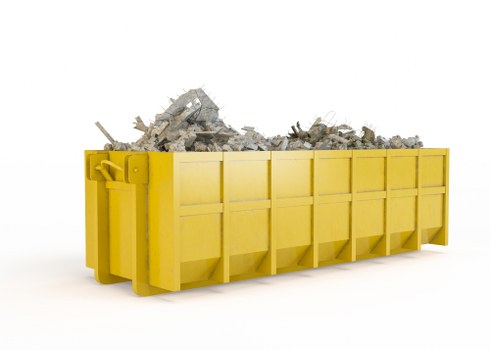 All personnel engaged in skip hire and rubbish clearance activities must be aware of their role in maintaining safety. Management will ensure sufficient resources, training and supervision are available. Employees and sub-contractors must follow procedures for lifting, securing loads, operating vehicles and handling potentially hazardous materials. The organisation adopts a zero-tolerance approach to unsafe behaviour and will take action to address non-compliance.
Risk Assessment and Operational Controls
Robust risk assessments are completed for routine and non-routine tasks, including delivery/pick-up of skips, site access, manual handling and vehicle movements. Control measures include traffic management plans, designated loading zones, clear signage and on-site briefings. The risk assessment process is documented and reviewed periodically or after significant change to operations.
 Personal protective equipment is provided and must be worn as required: high-visibility clothing, steel-toe boots, gloves, eye protection and respiratory protection where dust or fumes may occur. Vehicle checks and maintenance schedules are enforced to reduce the risk of breakdown and incidents involving our fleet of skip lorries. Where mechanised handling or lifting equipment is used, only competent operators are authorised to use it, and stored equipment is inspected regularly.
Handling Waste and Hazardous Materials
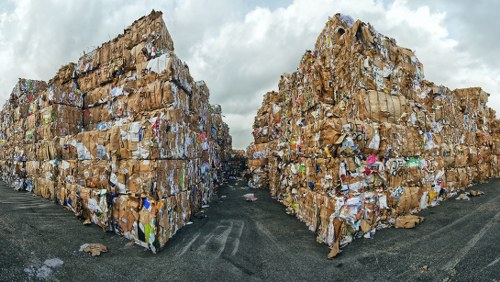
Waste segregation and correct containment are fundamental to safe rubbish removal. Materials that present a risk — asbestos, solvents, medical waste, batteries and compressed cylinders — are identified and separated. Where hazardous items are suspected, work will stop and competent advice sought. Waste transfer notes and appropriate documentation are completed for controlled wastes, and the company ensures authorised treatment and disposal routes are used.
Employees must follow a clear procedure for loading skips to prevent overloading and to ensure stability during transport. Loads should be secured and covered when necessary to prevent spillage. Manual handling techniques are emphasised in training to reduce musculoskeletal injuries and frequent task rotations are used to limit repetitive strain.
Emergency preparedness is integral to our safety approach. Site-specific emergency plans cover fire, fuel or chemical spills, vehicle incidents and injuries. First-aid provision is available and trained first-aiders are appointed. Incidents, near-misses and unsafe conditions must be reported immediately through the organisation's reporting system; investigations follow to identify root causes and apply corrective actions.
Training and competence form the backbone of effective hazard control. All staff complete induction training covering company safety rules, safe loading/unloading, manual handling, and vehicle operation. Refresher training and toolbox talks are scheduled, and competency checks are recorded. Contractors are required to demonstrate equivalent standards before carrying out work under our contracts.
 Monitoring, audit and continuous improvement ensure that our waste collection and skip hire operations remain safe and reliable. Regular site inspections, vehicle audits and performance reviews detect areas for improvement. Key performance indicators include incident frequency, completion of risk assessments and training rates, with senior management oversight to keep health and safety visible in day-to-day decisions.
To support a positive safety culture, the company encourages open communication and a proactive approach to hazard control. Staff are empowered to stop work if they believe a situation is unsafe and to suggest improvements. Management will consider and implement reasonable recommendations and will enforce standards where necessary to protect people and property.
This policy applies to all aspects of skip hire services, rubbish collection and related activities carried out by the organisation. It is reviewed at regular intervals and updated as necessary to reflect operational changes, legislation updates and best practice. Management is committed to providing the necessary leadership and resources to make sure these standards are met.
By following the measures set out here — from risk assessment to training and incident reporting — the organisation will maintain safe and sustainable waste handling, reducing harm to people, property and the environment while delivering professional skip and rubbish removal services.