Skip Hire in Westminster for household, trade and site waste

Skip Hire Westminster is a practical way to manage waste from refurbishments, clear-outs and building work when you need a straightforward container solution in the area. The service suits mixed loads of non-hazardous waste, from timber and packaging to old fixtures and general rubble, subject to what can be accepted. Choosing the right skip size and handling the permit or placement details carefully helps keep the job tidy and compliant from the outset.
We support projects that need planned waste removal rather than repeated ad hoc trips, including domestic clearances, commercial refurbishments and site-based work. That means there is usually a clear path from initial enquiry to delivery, collection and disposal. If you are comparing options, the main things to consider are the volume of waste, the type of material and whether the container will sit on private land or on a public road.
The service is designed to be useful for both occasional and repeat users, whether you are tackling one room or coordinating waste for a larger schedule of works. You can keep the conversation focused on what must go, how quickly it needs moving and whether a fixed placement or a managed collection is more suitable. Use the right container for the job and the rest becomes easier to organise.
Choosing the right skip for your waste
Different jobs create different waste streams, and matching the load to the container size is the first sensible step. Smaller domestic clearances often need a compact skip, while refurbishment work may produce bulkier waste such as broken plasterboard, timber offcuts, bathroom fittings and packaging. When you know roughly what is coming out, it becomes much easier to avoid overfilling or paying for more capacity than you need.
For many customers, the decision is not only about size but also about the order in which the work happens. A clear-out that starts with furniture and ends with mixed household items may need careful sorting, while a building project can benefit from waste being separated as it is generated. If you are unsure, it helps to list the main waste categories and then compare them with the accepted materials guidance before you commit.
What to think about before booking
Before arranging delivery, it is worth considering access, collection timing and the space available for placement. A skip placed close to the work area can save time, but it still needs room for safe loading and for the vehicle to deliver or remove it. If the site has restricted entry, narrow streets or controlled access, those details should be mentioned early so the arrangement fits the location rather than interrupting the job.
Domestic clear-outs and household waste

Domestic waste is often a mix of bulky items, bagged rubbish and smaller pieces of material from everyday maintenance. A skip can be a sensible choice when a loft, garage, spare room or entire property needs clearing in a controlled way. It keeps the waste in one place and reduces the need for multiple journeys to a disposal facility, particularly when the material is awkward to carry or too much for regular bin collections.
Households also use skips during decorating or light renovation, when old carpets, cabinets, packaging and broken fittings need to be removed together. The important point is to stay within the accepted waste rules, especially for items that require separate handling. If you have a mixed domestic load, a short review of the contents can help you decide whether the job is straightforward or whether some items need an alternative disposal route.
For some clearances, a simple checklist is useful:
- identify the main waste types before booking
- set aside anything that should not be mixed in the skip
- check whether the skip will go on private ground or the road
- keep heavier items manageable so loading stays safe and even
- allow time for the container to be filled without rushing
Commercial, office and trade waste
Commercial projects often need a more organised approach because the waste can include packaging, old fixtures, shelving, office furniture and materials from fit-out or maintenance work. A skip hire arrangement can help keep the premises usable while work continues, especially when items need to leave the site in batches rather than all at once. It is a practical option where there is enough access for delivery and collection.
Office and trade waste can vary significantly from one job to another, so the best arrangement is usually based on the actual materials involved rather than on a broad category label. Some work creates mostly light bulky waste, while other jobs generate heavier mixed loads. Keeping the waste stream as consistent as possible can make it easier to plan the right container, reduce unnecessary handling and avoid last-minute adjustments.
Working around operations and access
For occupied premises, timing matters nearly as much as capacity. Waste removal should fit around staff movement, customer access, loading bays and any shared entrances. Clear access information helps the booking process run smoothly, particularly where there are height restrictions, restricted parking or time-limited access windows. If your waste is part of a phased refurbishment, it may also be helpful to coordinate collection so the site stays clear between stages.
Builders’ waste and construction waste disposal
Construction and refurbishment waste usually benefits from a container that can handle varied, heavy material in one place. Builders’ waste often includes brick, soil in limited amounts, rubble, timber, plasterboard, packaging and old fixings. A skip can support a tidy work area by keeping debris contained, which in turn helps crews move safely and work more efficiently. The key is to understand what the load contains and whether it is suitable for standard skip disposal.
Some materials require more careful handling than others, so the actual mix of waste matters. Plasterboard, for example, can need separate consideration depending on how it is presented and combined with other materials. Similarly, loads containing insulation, electrical components or items with contamination may not fit the usual route. A sensible booking starts with the material list rather than with an assumption that every building waste load is the same.
When planning a construction clear-up, think about how waste is generated across the job. It is often better to keep the disposal method aligned to the project phase than to let everything build up in a single pile. That approach supports cleaner working areas, better loading and a more predictable collection pattern. Well-managed disposal is usually easier than a final rush at the end of the job.
Site clearance, demolition waste and larger clearances
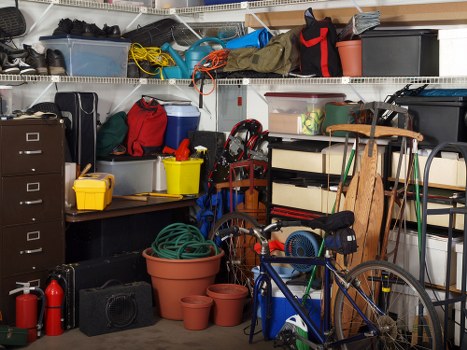
Site clearance and demolition waste removal can involve a broader range of materials than a standard household or small trade job. There may be rubble, timber, metal, packing materials and broken fittings, all requiring organised collection. A skip or related waste solution gives you a defined point for disposal instead of scattered debris across the working area, which can make both clearance and follow-on work more manageable.
Where demolition is involved, waste can change quickly as different elements come down in sequence. That makes it sensible to plan for flexible waste control rather than relying on a single tidy-up at the end. If the project produces heavy or bulky material, the size and weight of the load should be checked carefully so the disposal arrangement remains practical and within the accepted limits. This is where clear information about the scope of works really helps.
Some customers prefer one main container for the whole project, while others use more than one collection cycle to keep the site moving. The most suitable approach depends on the waste mix, the pace of the job and the available space for placement. If you want the disposal plan to support the work rather than interrupt it, start by mapping the waste stages and then match the container to those stages.
Skip sizes, loading and accepted materials
Understanding size options is important because the wrong capacity can create avoidable problems. A skip that is too small may force you to stop mid-job, while one that is too large may be unnecessary for the amount of waste on site. The better choice depends on the weight and bulk of the material as well as how quickly the waste will be produced. That is why practical advice about the load often matters more than a simple label.
Accepted materials are just as important as volume. Most customers want one clear answer about what can go in, what should stay out and how to handle mixed loads. Common items may be suitable in one arrangement but not in another if they are contaminated, too heavy or classed for separate treatment. For best results, review the waste list in advance and separate out anything that needs its own disposal route.
Practical loading habits
Loading the skip evenly helps make full use of the space and can reduce unnecessary handling later. Heavier items are usually best placed thoughtfully rather than tipped in randomly, and lighter waste can then fill the gaps around them. It also helps to avoid overfilling beyond the container edge, because safe collection depends on a load that can be lifted and transported properly. A tidy load is usually easier to collect and easier to manage on site.
Permit considerations, road placement and access
Where a skip needs to sit on a public road or other controlled location, permit considerations become part of the booking process. The main issue is whether the placement is allowed and what information is needed to support it. Some customers have enough private space for a driveway or yard, which can simplify things, while others need a roadside solution that must be organised properly from the beginning.
Access also affects how smoothly delivery and collection happen. Narrow roads, parked vehicles, timed restrictions and gated entries can all influence the best approach. Giving accurate details about the site layout allows the arrangement to be planned around the realities of the location instead of being adjusted at the last minute. Where access is tight, it is sensible to think in advance about how the vehicle will reach the position and leave again.
If the project is time-sensitive, the most helpful information is often the simplest: where the skip is going, what will go inside it and how the site can be entered safely. Clarity at the start reduces the risk of delays later and helps the waste plan suit the work rather than the other way round.
Pricing factors and quotation details

Skip hire pricing is usually shaped by a few core factors rather than by one simple rate. Size, waste type, placement, permit needs and the nature of the collection can all affect the overall cost. For that reason, a useful quotation starts with the practical facts of the job. A brief description of the work, an estimate of how much material will be produced and any access issues are often enough to begin the conversation.
If your project has several parts, it helps to explain them in the order they will happen. A garage clear-out, for example, may generate one type of waste at the start and something completely different once the real sorting begins. Construction work can also produce changing loads as the job progresses. Being specific about what is likely to go into the container allows a quote to reflect the actual disposal task, rather than a guess.
Good quotation detail does not need to be long. A simple summary often works best, especially if it notes the location, the kind of material and any constraints on placement or collection. Requesting a quotation is therefore less about formality and more about making sure the arrangement is suitable before the waste starts to pile up.
Recycling, sorting and responsible disposal
Modern waste handling is not just about removing material from site; it also involves deciding what can be sorted, recovered or sent onward for appropriate treatment. Many mixed loads contain items that can be separated into different material streams once collected. That process depends on the waste type, contamination levels and the way the load has been assembled. A well-sorted skip is easier to process and less likely to include avoidable contamination.
Customers often benefit from a little preparation before loading begins. Separating reusable or clearly recyclable materials where practical can make the final disposal more efficient. It also helps to keep prohibited items away from the main load, because unsuitable waste can complicate processing. The aim is not perfection but a sensible, workable arrangement that supports responsible handling from start to finish.
When waste is organised properly, the whole process tends to feel more controlled. Items are easier to move, the load is easier to assess and the collection can proceed without unnecessary sorting on the day. If you are comparing disposal options, consider not only the convenience of collection but also how the waste will be dealt with afterwards. A clean handover usually begins with a clear load.
About Westminster
Westminster is a central London district with a strong concentration of national institutions, historic streets and well-known public spaces. Its identity is closely tied to the Palace of Westminster, the Houses of Parliament and Westminster Abbey, which together anchor the area’s civic and ceremonial character. The district sits on the north bank of the Thames for much of its river frontage, while its streets also reach inland toward St James’s, Victoria and the West End, creating a varied urban landscape shaped by government, commerce and residential life. The area’s transport network, including major Underground and rail links, has long contributed to its role as a busy crossing point within London. Large parts of Westminster also contain important Georgian and later architecture, with terraces, squares and institutional buildings reflecting different phases of the city’s development. Green spaces such as St James’s Park provide an open contrast to the dense street pattern around Whitehall and Parliament Square, while nearby landmarks like Trafalgar Square and Buckingham Palace sit within the wider cultural and ceremonial setting associated with the name Westminster. The district’s history is layered: from monastic origins and royal association to its later prominence as the seat of political power, it has remained central to public life in the capital. Today the area combines heritage, administration and everyday city movement in a way that gives it a distinct place within London as a whole.
Domestic, trade and larger project support
Different customers need different waste arrangements, and it is often useful to think in terms of the work being done rather than in terms of a single generic service. Domestic clearances tend to focus on furniture, household clutter and renovation remnants, while trade and commercial work may involve packaging, fixtures and regular site waste. Larger projects usually need a more structured approach to timing, access and removal so that the work can continue without clutter building up around the site.
Some arrangements are best kept simple, while others need a more detailed plan. If the load is likely to change, or if access is likely to be affected by the work itself, it is better to decide on the disposal method early. That makes it easier to align the skip placement, collection timing and waste type with the pace of the job. The result is usually less disruption and a cleaner working area throughout the project.
To move forward, it usually helps to decide three things first: the main waste type, the amount of space available and whether the container will stay on private ground or not. Once those points are clear, the rest of the arrangement becomes more straightforward. Arrange a quotation when you are ready, and keep the brief focused on the waste you need removed.
Booking details and final checks
Before any waste container is delivered, it is sensible to check the simple details that most affect the outcome. The access route, the expected waste type and the intended placement all need to be aligned so there are no surprises on the day. If the load contains mixed material, make a quick note of anything that might need separate handling. This is especially useful for refurbishment and clearance work, where the contents can evolve as the job progresses.
A good booking is usually built on practical information rather than lengthy explanation. You do not need to overcomplicate the enquiry; just be clear about the main work, the rough volume and any constraints around parking, entry or loading. If the waste is coming from a property, a workplace or a building site, that context helps the arrangement suit the location and the task. Plain facts are usually enough to start the process properly.
When you are ready, use the main service details to decide what kind of disposal plan fits your job best. If a skip is the right option, keep the waste list close to hand and make your enquiry concise. Request a quotation if you would like the next step to be as direct as possible.